What is NLP?
Neurolinguistic programming. A terrible, vague, and inaccurate name for arguably the most powerful tool available to humans… The code to the brain, how it works and how to use it to detect and reproduce a skill found in another human being.
With NLP, any skill, behaviour or talent that seems to be specialised can be studied, decoded and recorded so that it can be reproduced by anyone. Literally making ‘natural talent’ teachable. Metaphorically speaking, imagine being able to download a skill or trait from someone and then install it within yourself as well as teach it to others.
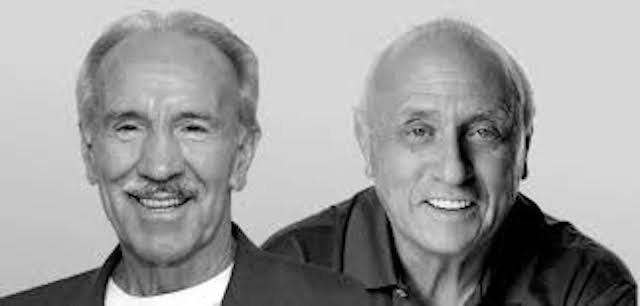
How is natural talent teachable? In short, the founders of NLP, Richard Bandler (right), and John Grinder (left), noticed a pattern within people with admirable skills, studied them, decoded / extracted the skill, designed a process to teach the skill and then stress tested the process. It worked.
Since the 70’s when NLP was created students of NLP have been learning the craft and passing it down to newer students.
The main focus of Bandler and Grinders studies were in the fields of enhanced human performance and personal change. They collected the best information from therapy and clinical hypnosis schools across the world.
The first three stand out stars they studied were:
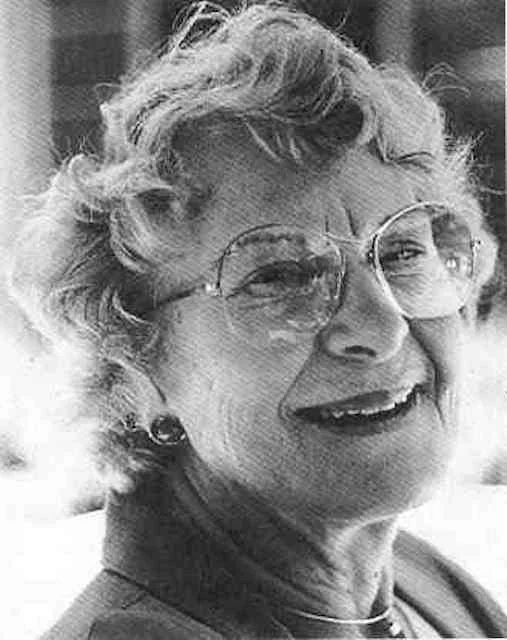
Virginia Satir
Author and therapist, known especially for her approach to family therapy and her pioneering work in the field of family reconstruction therapy.
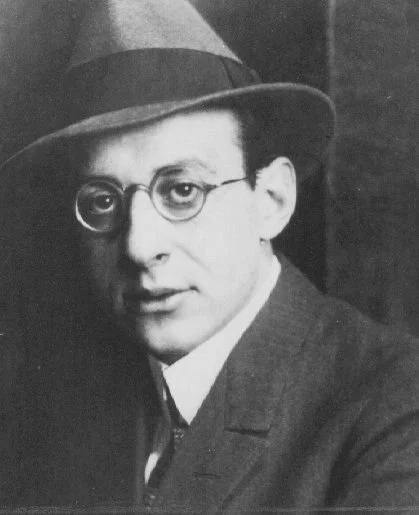
Fritz Perls
Psychiatrist and psychotherapist. Perls coined the term ‘Gestalt Therapy’ to identify the form of psychotherapy that he and his wife developed. In short Gestalt Therapy is enhanced awareness of sensation, perception, feelings, emotion and behaviour in the present moment. Relationships are emphasised, specifically the relationship you have with yourself, the relationship you have with others and the relationship you have with your direct environment.
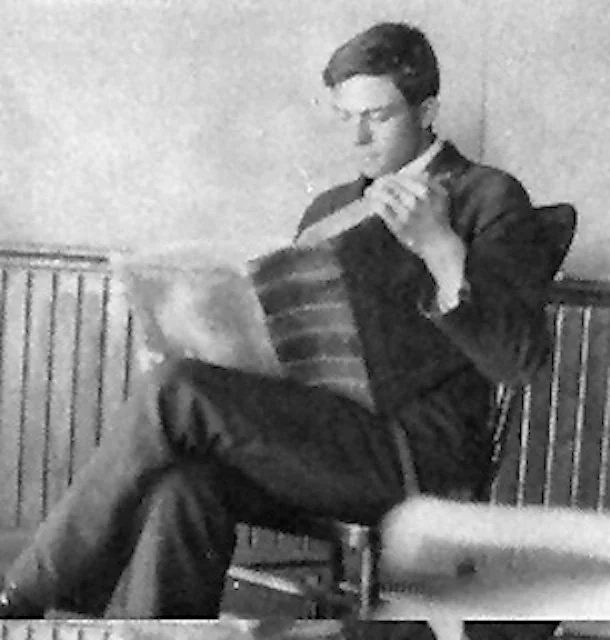
Milton Erickson
Psychiatrist and psychologist specialising in medical hypnosis and family therapy.
He is noted for his approach to the unconscious mind as creative and solution-generating. He is also noted for heavily influencing brief therapy, strategic family therapy, family systems therapy, solution focused therapy, and neuro-linguistic programming.
Satir, Perls and Erickson shaped NLP as it is today.
Bandler and Grinder decoded each of the trios work and re-appropriated it for NLP.
Over the years, as the field has progressed, Bandler and Grinder have found new inspiration in many different people, all of whom possess unrivalled talent in their chosen field. As a result, NLP can be used for just about anything, it can be used to facilitate positive personal change, enhance personal and professional performance, accelerate learning and improve all types of communication skills.
A heads up, NLP is not regulated which means the quality of the trainer and their knowledge varies dramatically, there are very few great trainers worldwide which narrows the pool down dramatically when looking at Australia alone. If you are looking to become an NLP practitioner, make sure you train with someone who learnt from the creators.